

Managing Winter Sickness Absence in Social Care and Food Production
Managing winter sickness absence in shift-based sectors comes down to closing the gap between a call-in and a filled shift as quickly as possible.
In social care and food production, that means knowing who is available, who holds the right skills and how to reach them before the shift starts. It also means following FSA and UKHSA guidance on when ill staff can safely return to work.
Why Does Winter Sickness Hit Social Care and Food Production Harder?
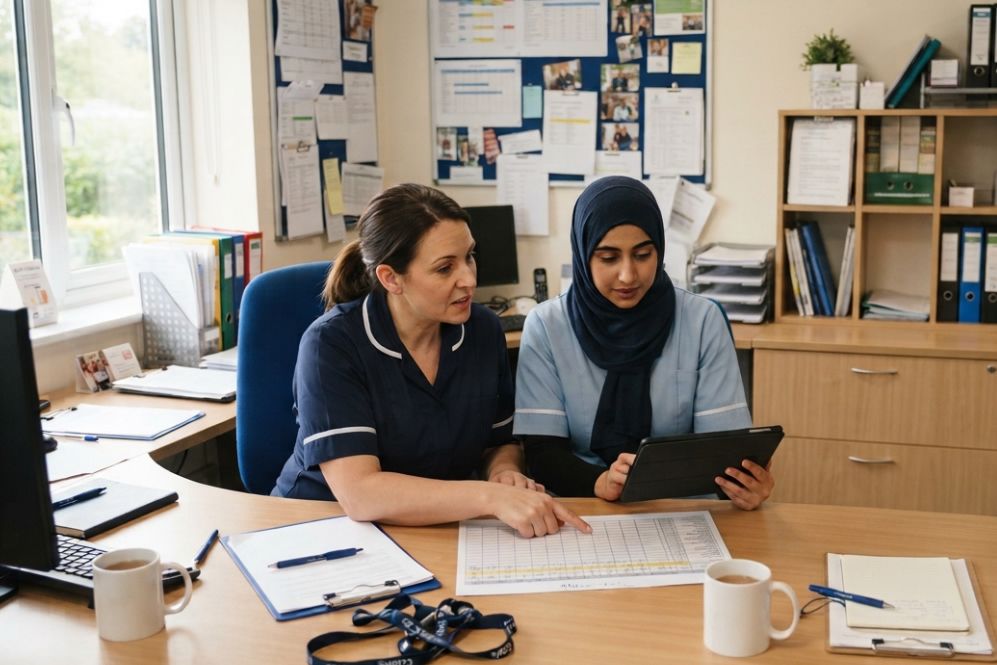
Winter sickness hits these two sectors harder because a missed shift cannot simply wait until tomorrow. Care rotas are built around safe staffing for residents and clients, and production lines are built around trained operatives in specific roles.
Three things make the gap harder to fill:
- Skills are not interchangeable. A night shift may need a medication-trained carer. A line may need someone signed off on a particular machine or allergen process.
- Many illnesses mean a set time away. Diarrhoea and vomiting bugs come with exclusion periods, so one call-in often means two or three days of cover, not one.
- Call-ins come at short notice. A sickness call often arrives shortly before a shift starts, which leaves the person arranging cover very little time.
General advice on reducing sickness has its place, and our guide to reducing sickness absence covers it. This post is about the next step: getting the shift covered.
What Does Day-One Statutory Sick Pay Change for Short Absences?
Since 6 April 2026, Statutory Sick Pay (SSP) has been payable from the first day of sickness absence rather than the fourth, and the Lower Earnings Limit has been removed, according to Acas. This is the first winter under those rules.
For employers in shift-based sectors, this has two practical effects:
- Short absences now carry a cost from day one. A one-day sickness absence that used to fall within the waiting days is now paid, and you may also be paying someone else to cover the shift.
- More part-time and lower-paid staff qualify. SSP for lower earners is the lower of 80% of their average weekly earnings or the standard weekly rate, so payroll needs accurate hours and earnings data.
Both make it more important to record every absence on the day it occurs, against the correct shift, so payroll and absence reporting stay in sync. Check the GOV.UK guidance for employers for full details.
When Can a Care Worker or Food Handler Return After Sickness?
Staff with diarrhoea or vomiting should normally stay away from work for 48 hours after their symptoms stop, in line with guidance from both the Food Standards Agency and the UK Health Security Agency. The rules for respiratory illness vary depending on how unwell the person is.
Food Production
The Food Standards Agency’s fitness-to-work guidance says managers must exclude staff with diarrhoea or vomiting from working with or around open food, normally for 48 hours from when symptoms naturally stop. Staff should also report symptoms in someone they live with. The FSA provides a fitness-to-work questionnaire you can use when someone returns.
Social Care
UKHSA’s guidance on staff health and managing sickness in adult social care says:
- Staff with diarrhoea or vomiting should stay away until they are clinically well and have been symptom-free for 48 hours.
- Staff with a respiratory infection and a high temperature, or who are not well enough to work, should stay away until their temperature has returned to normal and they have recovered enough to work.
- Staff with mild symptoms, such as a runny nose, who feel well enough to work do not usually need to stay away.
The same guidance states that registered managers should have plans in place to ensure care continues when staff cannot work, including arranging cover. Your rota and absence records are a big part of showing that the plan works.
This is a summary, not medical or legal advice. Always check the current guidance and your own policies.
From Call-In to Filled Shift: A Winter Cover Workflow
A clear cover workflow shortens the time between a 6am phone call and a confirmed replacement. This order works well for care and production teams:
- Record the absence against the shift straight away. Log the reason and expected return date, so the exclusion period is visible on the rota for the days ahead.
- Check who has already said they are unavailable. In Focus, staff can mark themselves as unavailable in the Self Service app, and managers see this on the Availability Screen and the rota. Nobody wastes time calling people who have already said no.
- Post the open shift to eligible staff. With the Available Shifts feature, open shifts appear in the Focus Self Service app for staff who have access to the cost centre and possess all the skills the shift requires.
- Apply requests to the rota. Focus shows who asked for the shift and when. Managers can fill it in the order requests arrive, filter out people with other requests that day, or pick manually to share extra hours fairly.
- Plan the return. Use the expected return date and the 48-hour rule to cover the following shifts too, rather than starting each morning again.
If a call-in never comes, a No Show workflow in Focus emails team leaders shortly after a shift starts. It lists who has not clocked in, with their contact details and expected shift. That gives you a head start on cover and a prompt to check on the person’s welfare. Our guide to managing unplanned absence covers the conversation that follows.
How to See Who Is In and Who Is Qualified, Right Now
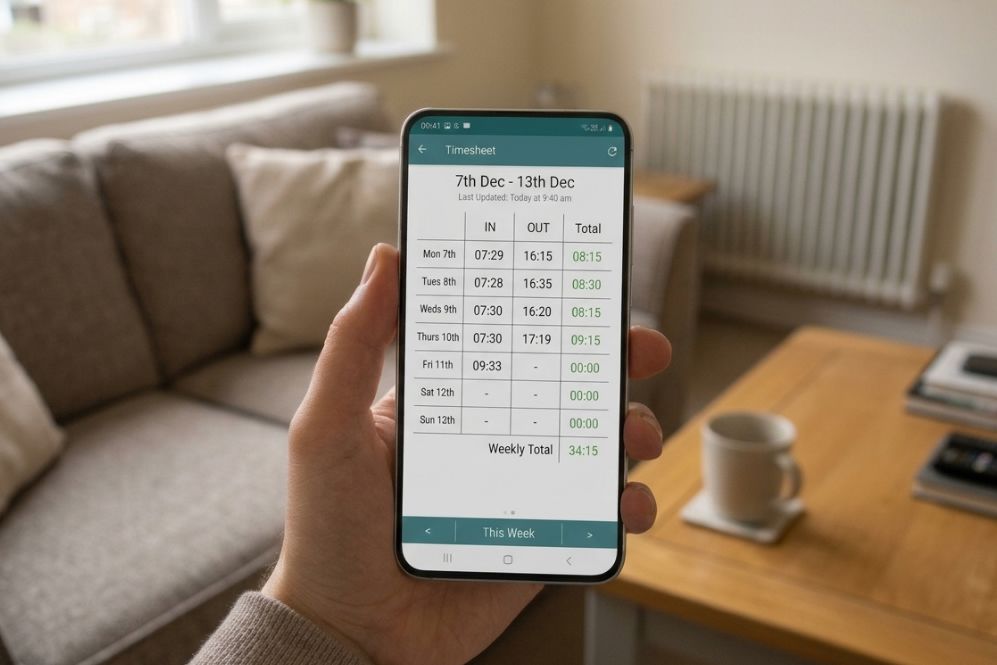
The fastest way to find cover is to know who is already on site and what skills they hold. Phone lists and paper rotas cannot tell you who clocked in ten minutes ago.
With the Focus Employee Self Service app, supervisors can see who is currently clocked in and out within their team, so they know who is on site before they start ringing round.
Skills matter at the planning stage too. When you build a rota with skill requirements, Focus highlights employees with the right skills and prevents you from assigning a skilled shift to someone who does not hold that skill. For care providers, this supports safe staffing. For food producers, it keeps trained operatives on the lines where they are needed.
Managing Winter Sickness Absence Without Relying on Trigger Scores Alone
Managing winter sickness absence well means looking at patterns as well as totals. A trigger score such as the Bradford Factor highlights frequent short absences. Winter bugs produce exactly that, so a score can rise for reasons nobody would want to penalise.
Use the score as a prompt to look closer, then check the detail:
- Is the absence linked to an exclusion period? A food handler following FSA guidance is doing the right thing.
- Did several people on one team go off in the same week? That points to an outbreak, not an attendance problem.
- Is there a pattern around certain shifts or days? That is worth a conversation.
We explain the strengths and limits of trigger scores in our Bradford Factor guide. Absence management software with Bradford Factor and statistical reporting helps you spot the individuals or departments where absence is rising, so you can see the full picture before acting.
Winter Sickness Cover Checklist
Run through this list before the busiest weeks of winter:
- Confirm staff know how and when to report sickness, including symptoms in their household.
- Make sure every absence is recorded against the shift on the day.
- Check that skills and training dates are up to date in your system.
- Switch on unavailability requests so you know who cannot cover.
- Set up available shifts so staff can pick up extra hours from their phones.
- Agree on how extra shifts will be shared fairly.
- Set up alerts for staff who have not clocked in.
- Brief managers on the FSA and UKHSA return-to-work rules.
- Check payroll is ready for day-one SSP on short absences.
- Review absence reports weekly from December to February.
FAQs
Is Statutory Sick Pay Paid From the First Day of Sickness?
Yes. Since 6 April 2026, SSP has been payable from the first day of sickness absence for eligible employees, and the Lower Earnings Limit no longer applies. Employees must still meet the other eligibility criteria.
How Long Should a Food Handler Stay Off After Diarrhoea or Vomiting?
The Food Standards Agency says food handlers should normally avoid working with or around open food for 48 hours after symptoms stop naturally. Some infections need different actions, so check the FSA guidance.
Can a Care Worker With a Cold Come to Work?
Under UKHSA guidance, care staff with mild symptoms, such as a runny nose, who are well enough to work do not usually need to stay away. Staff with a high temperature or who are not well enough to work should stay away until they have recovered.
How Do Care Homes Cover Last-Minute Sickness?
Care homes usually cover last-minute sickness by offering the shift to available, trained staff, then using bank or agency staff if needed. Rostering software speeds this up by showing who is free, who holds the right skills and who has already asked for the shift.
Keep Shifts Covered This Winter
Egress Systems has supplied time and attendance software to UK employers for 23 years and today supports over 225 active software contracts. Those include care providers and food manufacturers such as Inspired Global Cuisine. Find out more about how Focus works in social care and food production, or explore our time and attendance software.
See how Focus shows who is in, who is qualified and who is free to cover. Request a demonstration with our Nottingham team.

Zoë Mouter is the joint owner and director of Egress Systems, a leading provider of time and attendance solutions. With two decades of experience in the workforce management sector, Zoë collaborates with HR, payroll, and IT experts to deliver tailored solutions across a diverse range of industries, including logistics, manufacturing, retail, hospitality, education, charities, waste management, and healthcare.
Before founding Egress Systems, Zoë honed her skills over 10 years as an IT professional at global data and technology companies Experian and Egg. During this time, she worked with multinational clients such as MBNA, Morgan Stanley, and Argos, specialising in the credit card processing sector.
Zoë holds a first-class degree in English Language and Literature from Liverpool University, alongside a Masters in Viking Studies and a TEFLA certification (Teaching English as a Foreign Language to Adults). While her focus has shifted from Viking history to Nordic walking, she enjoys expressing her creativity through ceramics, often crafting unique tea and coffee pots on her pottery wheel.